August 3, 2026
A healthy garden depends on more than regular watering and sunlight. The condition of the soil, the protection of plant roots, and the way moisture is managed can all influence how well plants grow throughout the season. One of the most useful materials for improving garden conditions is mulch, which can provide several benefits when selected and applied properly. It can help conserve moisture, moderate soil temperatures, reduce weed growth, and contribute organic matter as certain materials break down. However, applying too much material or using the wrong product can create problems instead of improving the garden. Understanding how to use this material properly can help homeowners support healthier plants and maintain a more attractive landscape.
1. Choose the Right Material
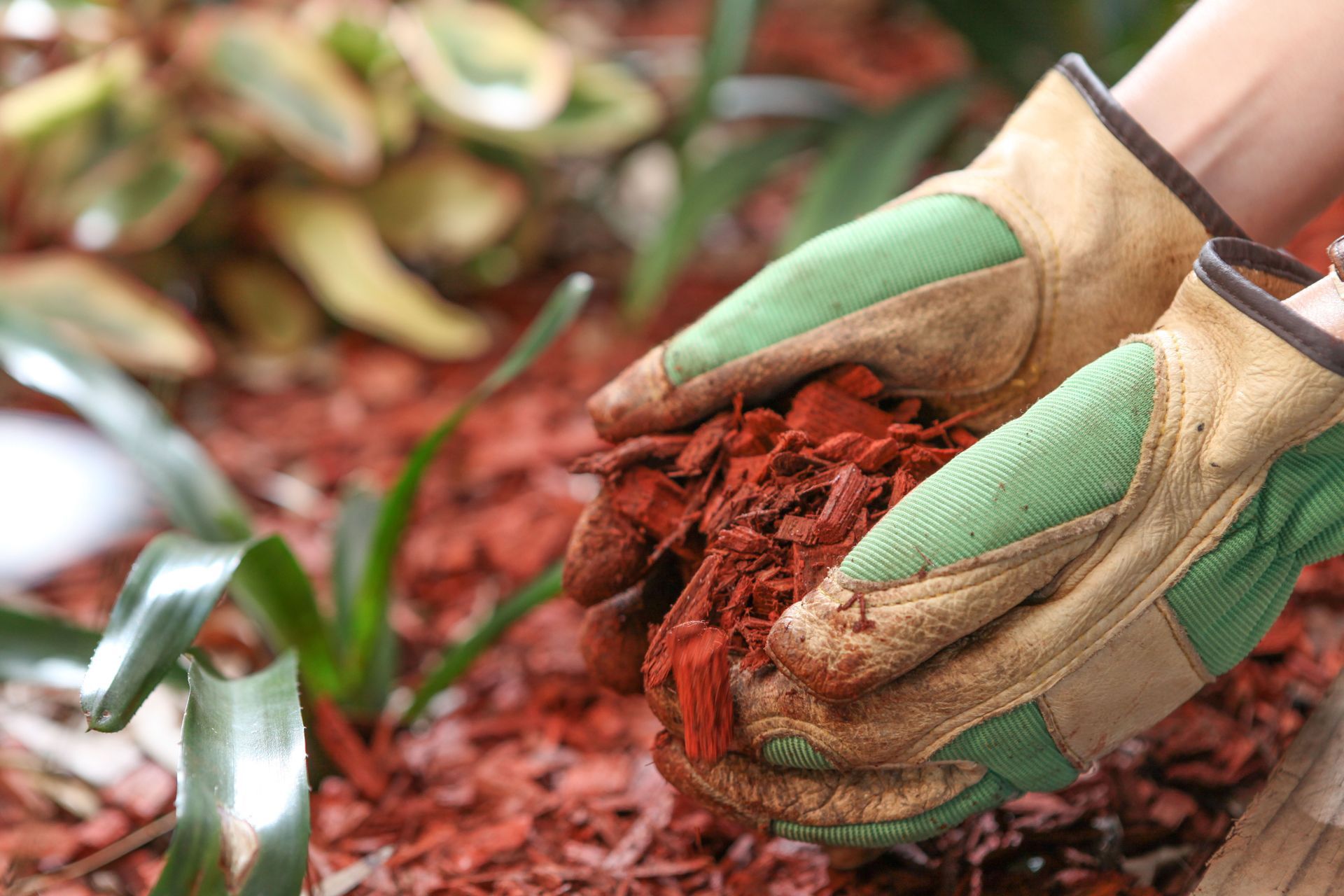
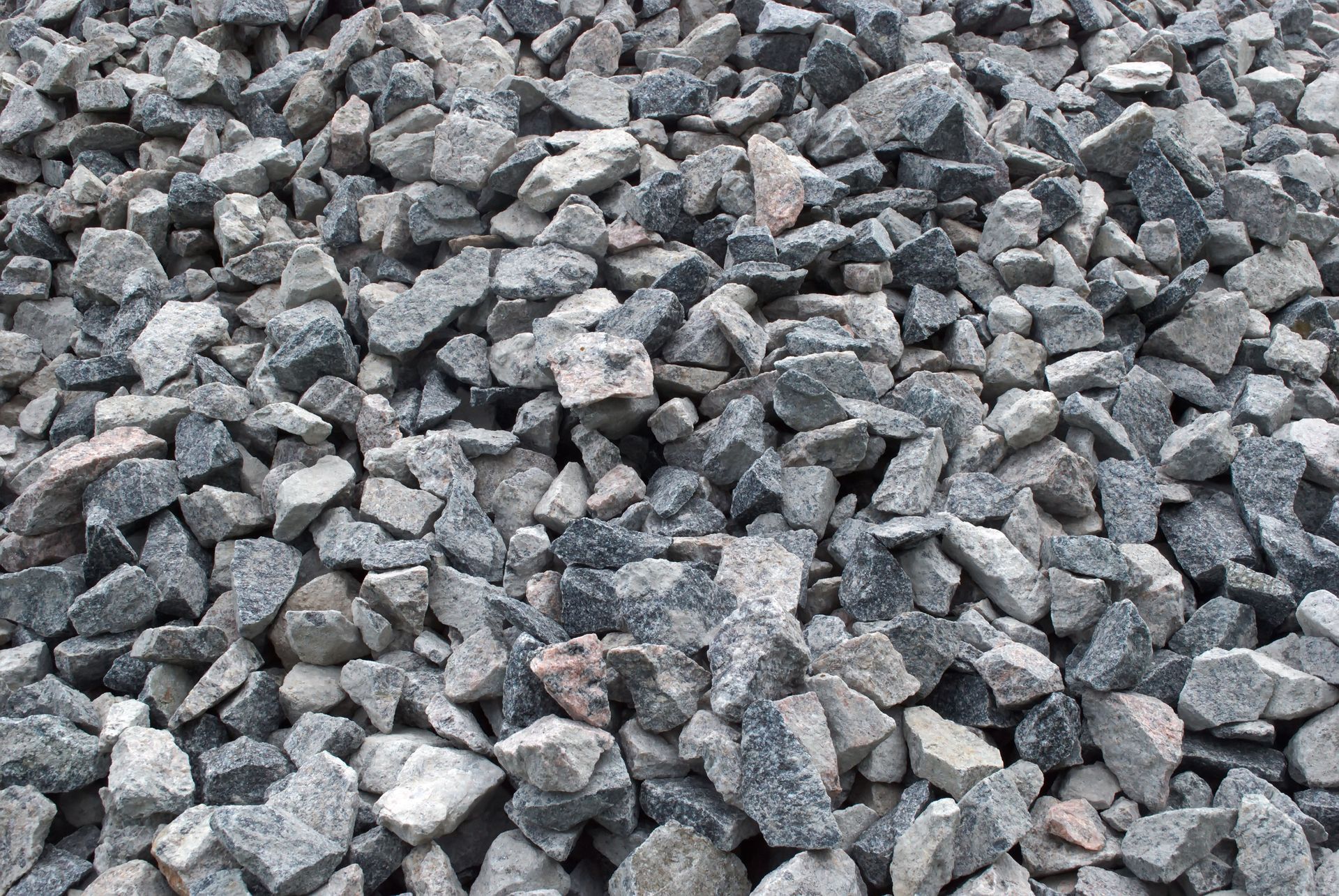
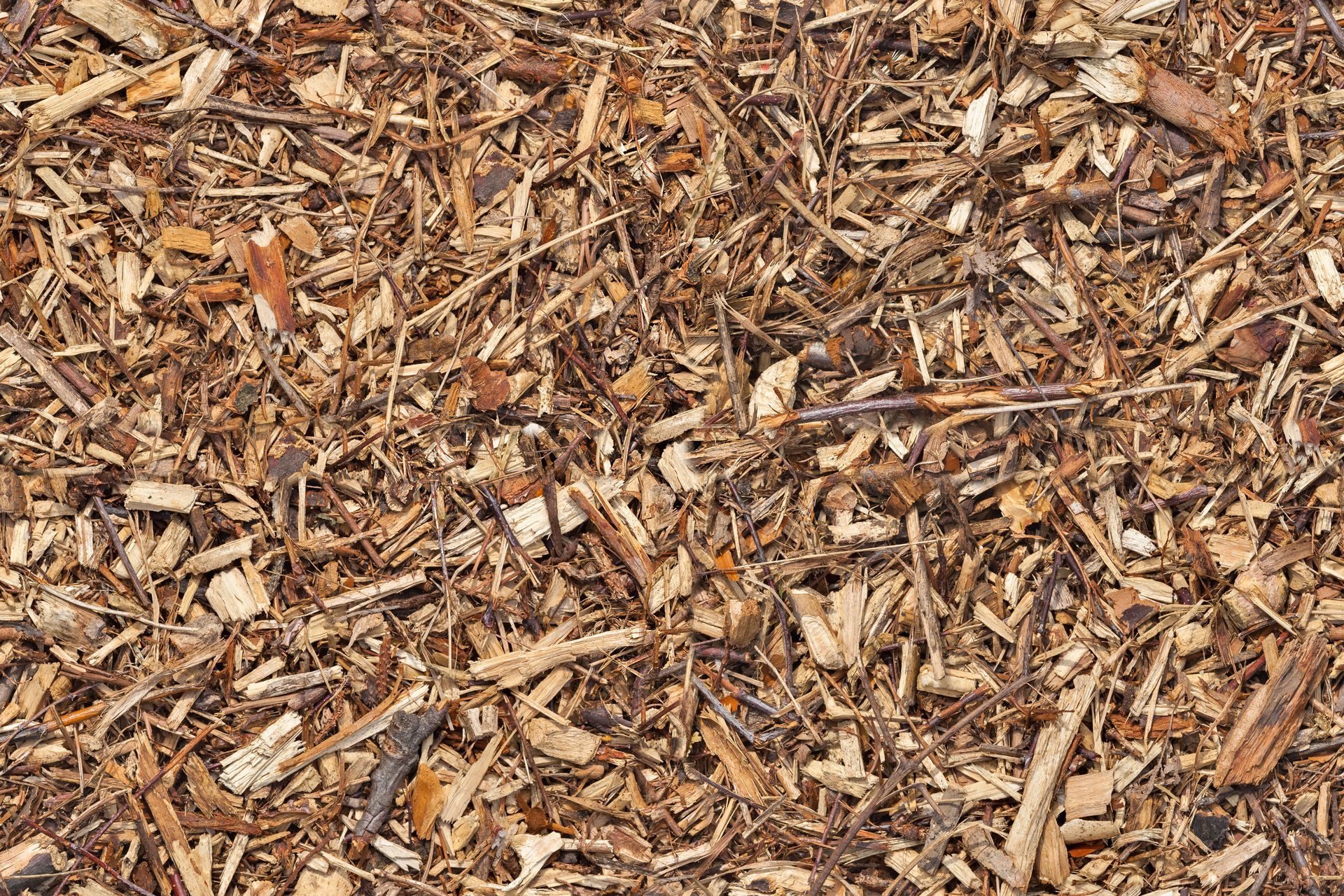
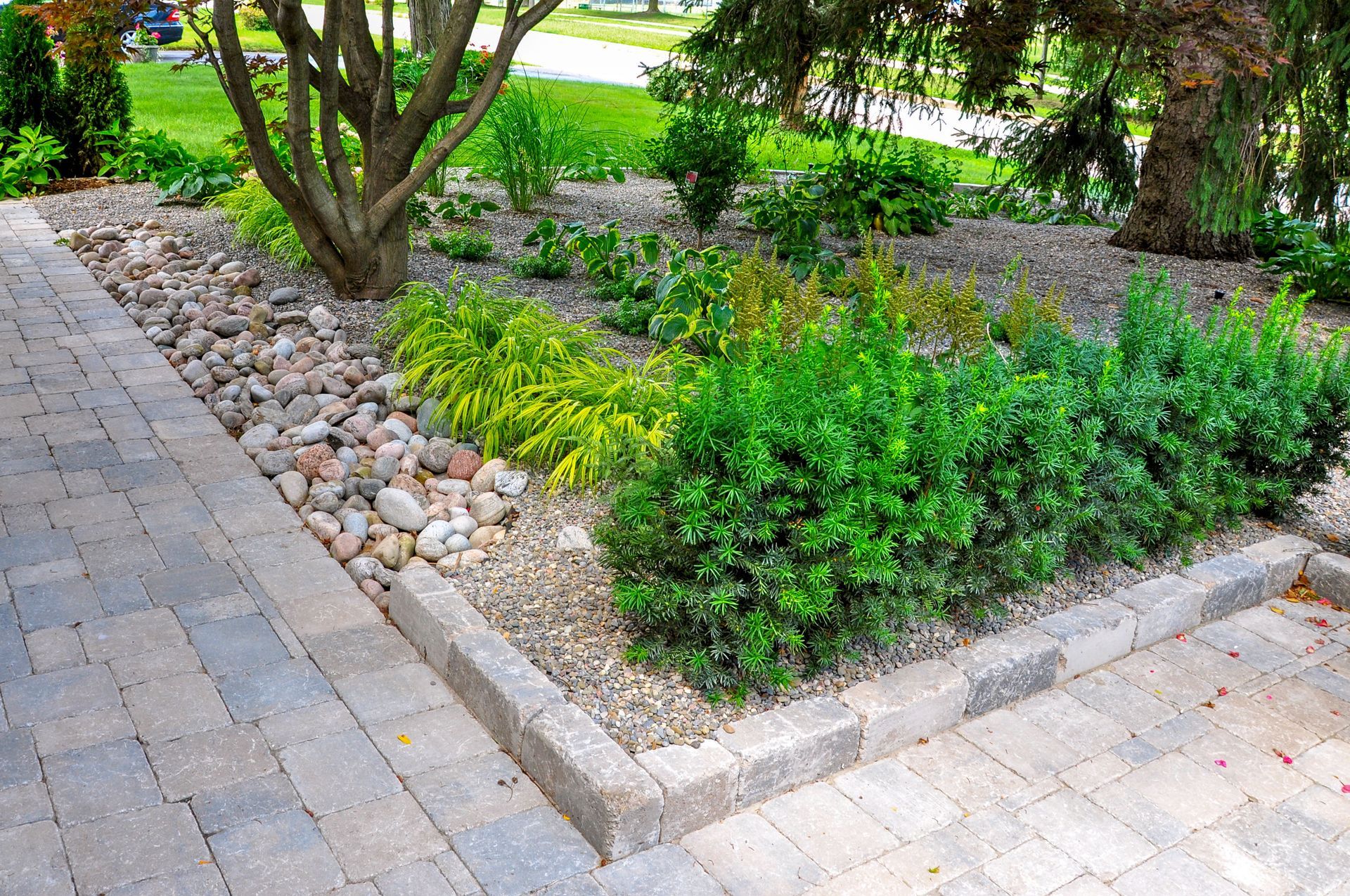
Selecting the right type of mulch is an important first step in supporting a healthy garden. Different materials provide different benefits and may be better suited to specific plants or landscape areas. Organic options such as shredded bark, wood chips, straw, and compost can gradually add nutrients and organic matter to the soil as they decompose. Inorganic options such as stone or gravel may provide long-lasting ground coverage but do not break down in the same way. Gardeners should consider the appearance, maintenance requirements, moisture needs, and plant varieties in the area before choosing a product. The material should also be appropriate for the climate and location where it will be installed. A professional supplier can help homeowners compare options based on their specific landscaping goals. Choosing the right product from the beginning can make ongoing garden care easier and more effective.
2. Apply the Correct Depth
The depth of the mulch layer can significantly affect how well it benefits plants. A layer that is too thin may not provide enough coverage to reduce evaporation or suppress weeds effectively. A layer that is too thick can restrict airflow, hold excessive moisture, and prevent water from reaching the soil below. According to Almanac, applying no more than two to three inches is generally recommended to help prevent plants from being buried or suffocated while allowing water and oxygen to reach their roots. Gardeners should spread the material evenly across the soil instead of creating large piles in one area. The depth may also need to be adjusted around different types of plants and landscape features. Measuring the layer during installation can help prevent accidental overapplication. Maintaining the proper depth allows the material to protect without creating unnecessary problems.
3. Keep Material Away From Stems
Placing mulch directly against plant stems or tree trunks can create conditions that encourage moisture-related problems. Constant contact with damp material may contribute to decay, pest activity, or damage to the bark. Gardeners should leave a small open space around the base of plants and trees when applying ground cover. This spacing allows air to circulate and helps keep excessive moisture away from sensitive plant tissues. The material should cover the surrounding soil without forming a mound against the trunk or stem. Homeowners should also check existing garden beds regularly because rain and maintenance activities can cause material to shift. Moving it away from plant bases when necessary can help maintain healthier conditions. Proper placement is a simple step that can make a meaningful difference in long-term plant care.
4. Use Material to Conserve Moisture
One of the major benefits of mulch is its ability to slow the loss of moisture from the soil. Sunlight and warm temperatures can cause exposed soil to dry quickly, especially during periods of limited rainfall. A properly applied layer creates a barrier between the soil surface and the surrounding air. This can help reduce evaporation and allow the soil to retain moisture for a longer period. Gardeners may find that plants require less frequent watering when the soil is properly protected. However, the material should not be treated as a substitute for appropriate irrigation. Homeowners should still check the soil and water plants according to their individual needs. Combining moisture conservation with proper watering practices can help support healthier plant growth.
5. Control Weeds Naturally
Mulch can also help reduce the growth of unwanted weeds in garden beds. A layer of material blocks some sunlight from reaching weed seeds in the soil. Without sufficient light, many weeds may have more difficulty germinating and developing. This can reduce the amount of time homeowners need to spend pulling weeds by hand. Gardeners should remove existing weeds before applying a new layer because established plants may continue growing through the material. The coverage should also be thick enough to provide effective protection without becoming excessive. Regular inspections can help homeowners address weeds that eventually appear through gaps or thin areas. Using this approach can make garden maintenance more manageable while helping plants compete more effectively for water and nutrients.
6. Protect Roots From Temperature Changes
Soil temperatures can change quickly when exposed directly to intense sunlight or sudden weather changes. These fluctuations can place additional stress on plant roots, particularly during hot summers or cold periods. Mulch can act as an insulating layer that helps moderate temperature changes in the soil. During hot weather, it can reduce the amount of heat reaching the root zone from the surface. During colder conditions, it may provide additional protection against sudden temperature drops. The effectiveness of this benefit depends on the type of material used and how it is applied. Gardeners should still select plants appropriate for their local growing conditions. Protecting the root zone from extreme changes can help create a more stable environment for healthy growth.
7. Refresh Garden Beds Carefully
Garden beds may require occasional maintenance as mulch breaks down, shifts, or becomes thinner over time. Before adding more material, homeowners should inspect the existing layer to determine whether additional coverage is actually necessary. Adding a new layer on top of an already thick application can create excessive depth and interfere with water and air movement. Gardeners should also remove compacted or decomposed material when appropriate before refreshing the bed. The new application should be spread evenly and kept away from plant stems and tree trunks. Different materials break down at different rates, so the timing of refreshes can vary. Checking the condition of the garden bed is more effective than automatically adding new material on a fixed schedule. Thoughtful maintenance helps preserve the benefits of ground coverage without creating unnecessary buildup.
8. Match Products to Plant Needs
Not every garden has the same soil conditions or plant requirements. Some plants prefer dry, well-drained environments, while others benefit from greater moisture retention around their roots. The type of mulch used should complement the needs of the plants rather than creating conditions that work against them. For example, a material that holds significant moisture may not be appropriate for plants that are especially sensitive to wet soil. Gardeners should also consider whether the material could affect soil acidity or nutrient availability as it breaks down. Product selection should account for the location, climate, drainage, and types of plants growing in the bed. A knowledgeable landscape material supplier can help homeowners identify options suited to their specific garden. Matching the product to the growing environment can improve the overall results of the application.
Whether you are refreshing an established garden or creating a new landscape, selecting the right material can make ongoing maintenance more manageable. Professional guidance can also help you determine how much material you need and which option best fits your project. Contact Out of Eden Bulk Landscape Material today to explore quality landscape materials for your garden and property. Give your plants the support they need with properly selected and carefully applied landscape materials.