
How Mulch Improves Soil Health and Suppresses Weeds
September 11, 2026
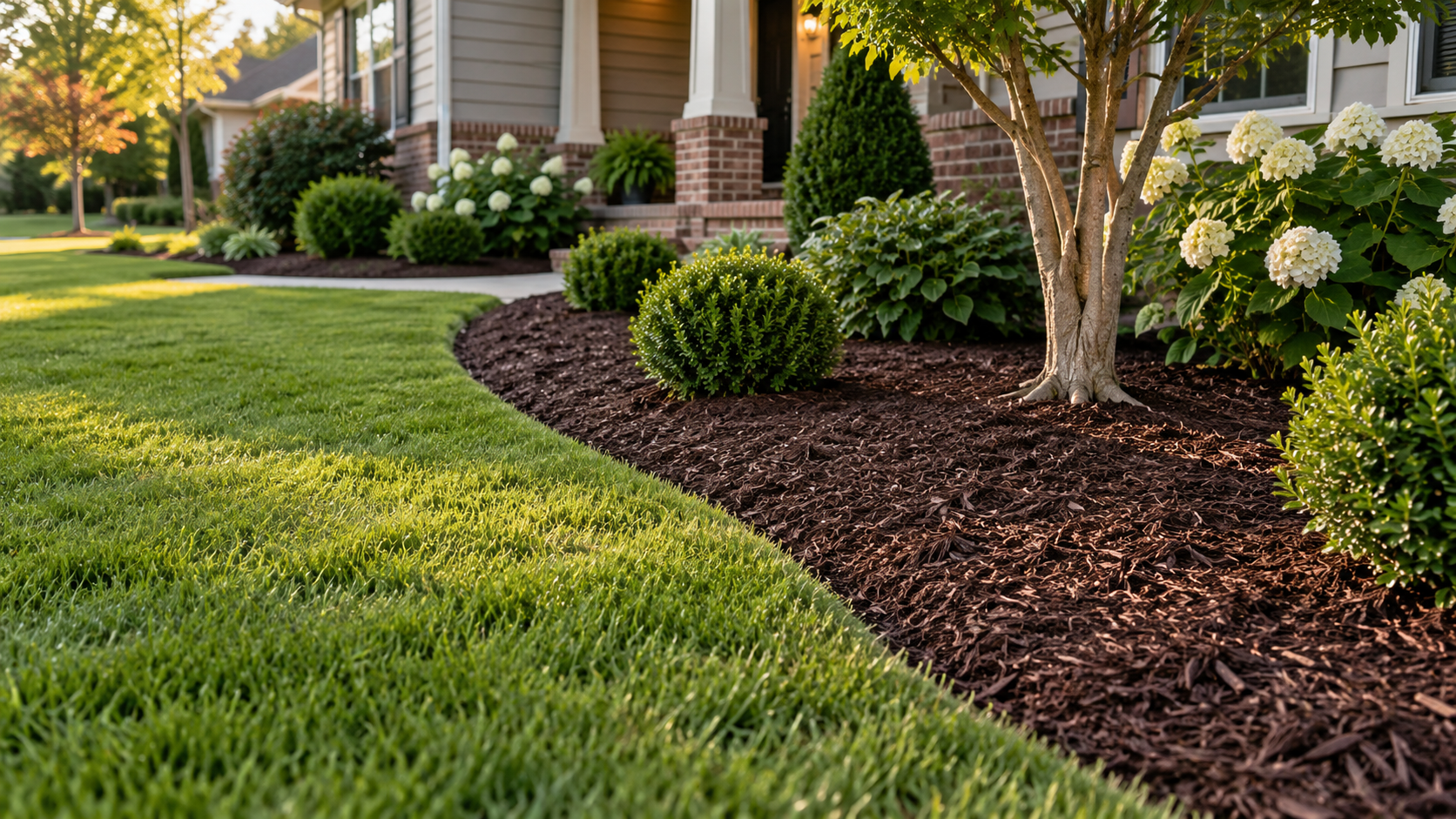
Mulching has become an integral part of modern gardening and landscaping practices, appreciated for its multiple benefits to plant health and garden aesthetics. Gardeners and landscapers around the world adopt mulching for its simplicity and effectiveness in enhancing plant growth and sustainability. By covering the soil with organic or inorganic materials, mulch offers protection, nourishment, and an enhanced visual appeal to any landscape.
Improving Soil Health
Enhancing Soil Fertility
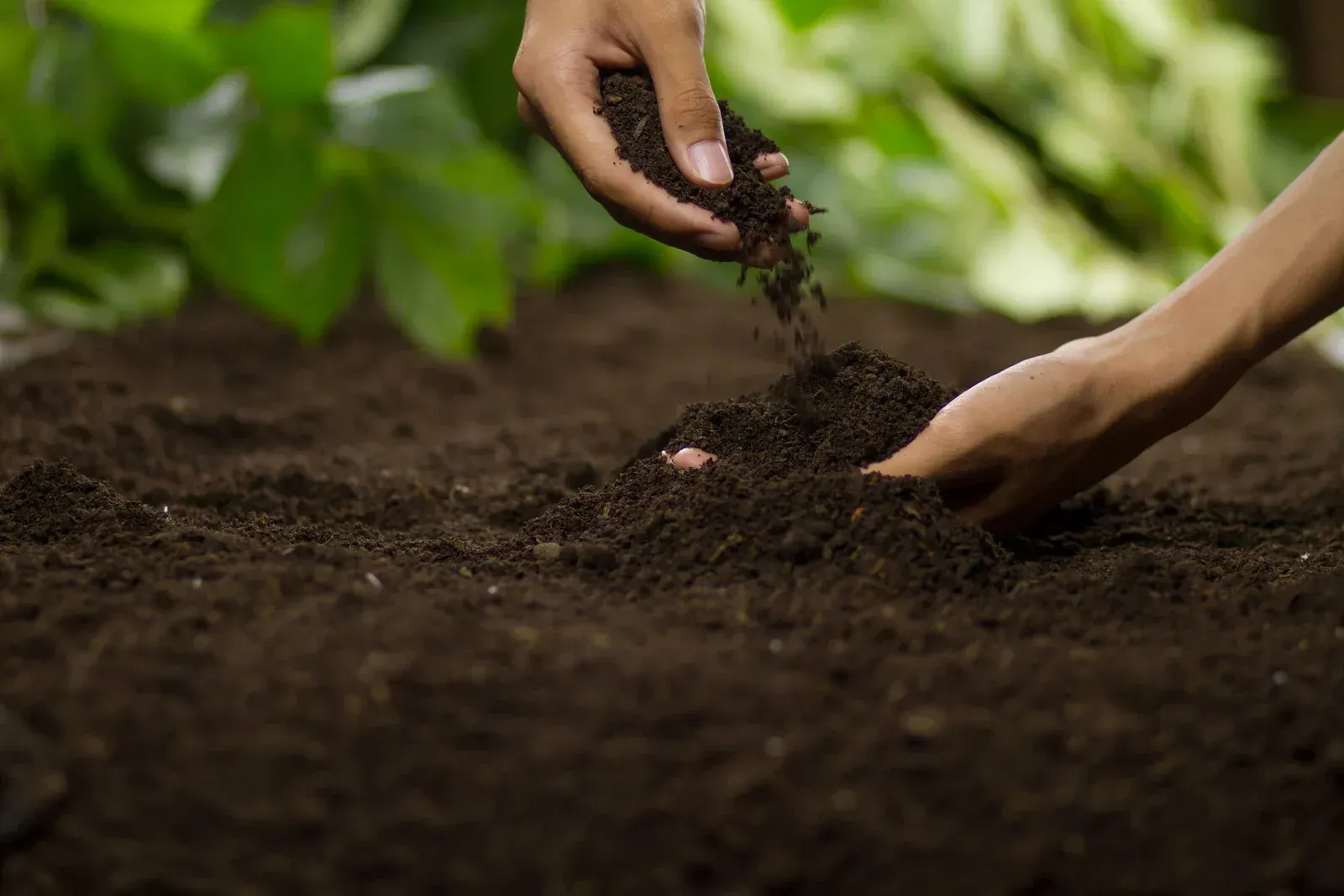
One of the primary benefits of using mulch is its ability to enhance soil fertility over time. Organic variations, such as bark and compost, decompose slowly, releasing essential nutrients back into the soil. This process enriches the soil, providing plants with the nutrients they require for healthy growth. As it breaks down, it adds organic matter that improves soil structure and increases its nutrient-holding capacity. According to This Old House, most types of mulch should be replaced about every 12 months to maintain optimal soil health and fertility.
The nutrient addition from mulching is pivotal, especially in poor or degraded soils where nutrient levels are lacking. By breaking down, mulch increases the level of nitrogen, phosphorus, potassium, and other necessary elements within the soil. This gradual nutrient release aligns perfectly with the plant's growth cycle, thereby supporting steady and sustainable plant development. It also aids in the development of microbial communities that play a crucial role in nutrient cycling, further enriching the soil environment. Consistent mulching ensures the plants have a continuous supply of nutrients, significantly reducing the need for chemical fertilizers.
Regulating Soil Temperature
Mulch plays a crucial role in regulating soil temperature, acting as a barrier against external temperature fluctuations. By insulating plant roots, the material helps maintain a consistent underground environment, which is crucial for plant health. During hot summer months, mulching keeps the soil cool by reducing solar radiation exposure. Conversely, in colder weather, it acts as a blanket, retaining soil warmth and protecting roots from freezing temperatures. This temperature regulation helps prolong the growing season and creates a more stable microclimate for plant productivity.
The insulation provided by mulch is especially beneficial in regions with extreme temperatures or unpredictable weather patterns. Maintaining optimal soil temperatures reduces the stress on plants, allowing them to conserve energy and focus on growth and reproduction. Thus, mulched gardens are usually more resilient to climate variations, offering a buffer that mitigates the impact of temperature extremes. The consistent temperature also promotes a healthy root zone, reducing the risk of metabolic imbalances that can occur due to sudden temperature shifts. This stability is particularly useful for young or tender plants, which are more susceptible to temperature-induced stress.
Retaining Soil Moisture
Mulch is renowned for its ability to retain soil moisture by minimizing water evaporation from the soil surface. This function is particularly advantageous in arid regions or during prolonged dry spells when water conservation is essential. By forming a protective layer over the soil, mulch reduces the rate at which moisture escapes into the atmosphere, maintaining an adequate level of soil hydration for plant roots. As a result, plants require less frequent watering, making it a cost-effective and sustainable solution in landscape management. Gardens thus benefit from less water stress, leading to vigorous plant growth and reduced irrigation needs.
Moisture retention through mulching helps prevent soil from drying out, ensuring that plants have continuous access to the water they need to perform essential physiological functions. Consistent soil moisture levels benefit not only the plants but also the entire garden ecosystem. It allows deeper root penetration, as plant roots will naturally extend further into the soil to access nutrients and moisture. Deeper root systems lead to stronger plants that are better equipped to withstand periods of drought or high temperatures. The ongoing presence of moisture under mulch also supports soil microorganisms, which in turn assist with organic matter decomposition and nutrient cycling.
Suppressing Weeds
Creating a Physical Barrier
Mulch is highly effective at suppressing weed growth by creating a physical barrier that blocks sunlight from reaching weed seeds. By depriving weeds of the light they need for germination and growth, the material reduces the overall weed population in landscaped areas. The barrier formed by mulch is particularly useful in preventing the emergence of annual weeds that rely on light cues to sprout. Furthermore, it helps maintain soil moisture, which favors the growth of desired plants over invasive weeds. This dual functionality—blocking light and retaining moisture—makes mulching a superior choice for weed control.
The thickness and material of the mulch layer are critical in determining its effectiveness as a weed barrier. A sufficiently thick layer of organic or inorganic mulch efficiently smothers any existing weed seedlings while preventing new ones from emerging. By choosing the right kind of mulch, gardeners can ensure effective sunlight blockage and optimal growing conditions for their garden plants. The physical barrier not only minimizes weed growth but also simplifies maintenance by reducing the need for frequent weeding or chemical weed killers. Thus, mulching serves as a practical and environmentally friendly strategy for maintaining clean and tidy landscapes.
Reducing Seed Germination
Mulch reduces weed seed germination by creating conditions that are unfavorable for weed growth. The layer alters environmental factors such as light, temperature, and moisture availability, which adversely affect the ability of weed seeds to germinate and grow. A thick layer of mulch prevents light from reaching weed seeds, one of the critical triggers for germination. Without this light exposure, weed seeds remain dormant or perish, leading to fewer weeds sprouting in mulched areas. This controlled environment facilitates the growth of desired plants without competition from aggressive weeds.
Temperature moderation provided by mulch further impedes weed seed germination. By insulating the soil, this material prevents weeds from experiencing the temperature fluctuations needed to trigger growth. Cooler soil surfaces under mulch reduce the likelihood of warm-season weeds germinating during hot summer months. The opposite effect occurs during cooler temperatures, where warmth is retained, reducing the emergence of cool-season weed species. This temperature control effectively reduces the window of opportunity for seeds to sprout, maintaining a weed-free landscape for longer periods.
Minimizing Soil Disturbance
A noteworthy advantage of mulch in weed suppression is its ability to minimize soil disturbance, one of the primary factors influencing weed growth. Through reduced mechanical disturbance and soil turnover, mulch helps maintain a surface environment where weed seeds remain buried and dormant. Cultivation practices such as tilling, which bring dormant weed seeds to the surface, are minimized through mulching. This reduced need for soil handling preserves the natural soil structure, maintaining the integrity of established plantings. Consequently, mulch indirectly contributes to reducing potential weed populations by limiting opportunities for seed dispersal and germination.
By serving as a protective blanket, mulch stabilizes the soil surface and prevents the disturbance that could otherwise contribute to increased weed presence. When the soil is left undisturbed, weed seed banks remain undisturbed as well, preventing a rush of weeds from overtaking the garden landscape. The establishment of a consistent layer is particularly effective in perennial gardens or areas with long-term planting schemes where soil stability is paramount. By preventing soil turnover and exposure, mulch supports long-lasting weed control in line with sustainable gardening principles.
Ultimately, mulching is far more than just a decorative finishing touch; it is a foundational practice for a thriving, sustainable landscape. Whether using organic materials to enrich the soil over time or inorganic options for longevity, incorporating mulch into your garden routine reduces the need for chemical interventions and manual labor. Embracing this simple yet effective technique ensures a resilient, low-maintenance, and vibrant outdoor environment for years to come. If you are looking to mulch your own garden, contact Out of Eden Bulk Landscape Materials for a wide variety of top-tier options.