Bulk vs. Bagged Mulch: Which Makes More Sense for Your Maryville Landscaping Project?
September 30, 2026
QUICK ANSWER: Bagged mulch fits small jobs, like a few containers, one tree ring, or a quick touch-up by the mailbox. Once a project needs about one cubic yard or more, bulk mulch usually makes more sense. One cubic yard equals 27 cubic feet, which works out to roughly 13 or 14 of the common 2 cubic foot bags. Bulk also gives you one consistent color across every bed, no plastic to throw away, and far fewer trips from the car to the garden.
It is a Saturday morning in late April. The azaleas along the front walk are blooming, the beds around the foundation look faded and thin, and the trunk of your car is loaded with bags of mulch for the third time this week. Half the bags are soaked from sitting outside the store, two have split along the seam, and you still have the backyard to go.
Every spring, homeowners across Maryville and Blount County face the same decision: grab mulch by the bag, or order it by the scoop. Both options put wood on the ground. The difference shows up in how much ground you need to cover, how the finished beds look, and how much of your weekend goes to hauling instead of spreading.
Start With the Math: How Much Mulch Does Your Project Need?
Before choosing between bulk and bagged, figure out how much material the beds actually need. The formula is simple:
Square footage × depth in inches ÷ 324 = cubic yards of mulch
A bed that measures 10 feet by 12 feet covers 120 square feet. Spread at 3 inches deep, that bed needs about 1.1 cubic yards. That lines up with the coverage at Out of Eden, where one scoop of mulch covers approximately 120 square feet at approximately 3 inches deep.
Depth Matters More Than Most People Expect
University of Tennessee Extension recommends mulch depths around 2 to 3 inches, with no more than about 4 inches. One inch allows weeds through and dries quickly, while six inches can retain excessive moisture against plant roots and tree trunks during summer.
Bags Hide The Real Volume
Most bagged mulch comes in 2-cubic-foot bags. At 3 inches deep, one bag covers roughly 8 square feet, so a 120-square-foot bed requires about 15 bags. Across foundation beds, tree rings, and backyard borders, that total can quickly exceed 50 bags.
When Bagged Mulch Is the Right Call
Bagged mulch has a real place in residential landscaping. It works well in a handful of situations.
Small Or Scattered Spaces
Container plantings, single tree rings, and narrow walkway borders may need only a few bags. Ordering a full scoop for a small area can leave a large pile with nowhere practical to go.
Touch-Ups Between Seasons
Bare spots caused by pets, weather, or seasonal runoff can often be repaired with one or two bags. Small quantities make it easier to refresh specific areas without ordering more mulch than necessary.
Tight Access With No Drop Spot
Townhomes, condos, and properties without driveways or open yard space may lack room for delivery trucks. Bags can be carried through gates, around obstacles, or up stairs where bulk delivery is impractical.
Short-Term Storage
Sealed bags can remain in a garage or other suitable storage area until needed. A delivered mulch pile requires spreading within a reasonable timeframe, making bags more convenient for phased projects.
When Bulk Mulch Makes More Sense
For most full bed refreshes and new landscaping projects, bulk mulch is the more practical choice.
Larger Coverage Areas
Once a project needs about a cubic yard or more, bulk saves a significant amount of handling. One scoop replaces more than a dozen bags, so a three scoop order replaces around 40 bags you would otherwise load, unload, cut open, and empty.
Consistent Color And Texture
Bagged mulch pulled from different pallets, or bought on different days, can vary noticeably in color and grind size. A bulk order comes from one pile, so the front beds, side beds, and back border all match. This matters most with dyed products like Carbon Black Mulch, where small differences in shade stand out against green foliage.
Less Waste To Deal With
Every bag leaves behind a plastic sack. A 40 bag project means 40 empty bags to collect and throw away. Bulk mulch arrives as a single mound with no packaging at all. Many homeowners lay a tarp under the drop spot, and that tarp is the only thing left to clean up.
Fresher Material
Bagged mulch can sit on store pallets for weeks, sometimes in standing water. Mulch that stays wet and sealed in plastic can start to break down unevenly and may develop a sour smell. A bulk pile is turned and loaded as it moves out of the yard.
Mixed Projects On One Trip
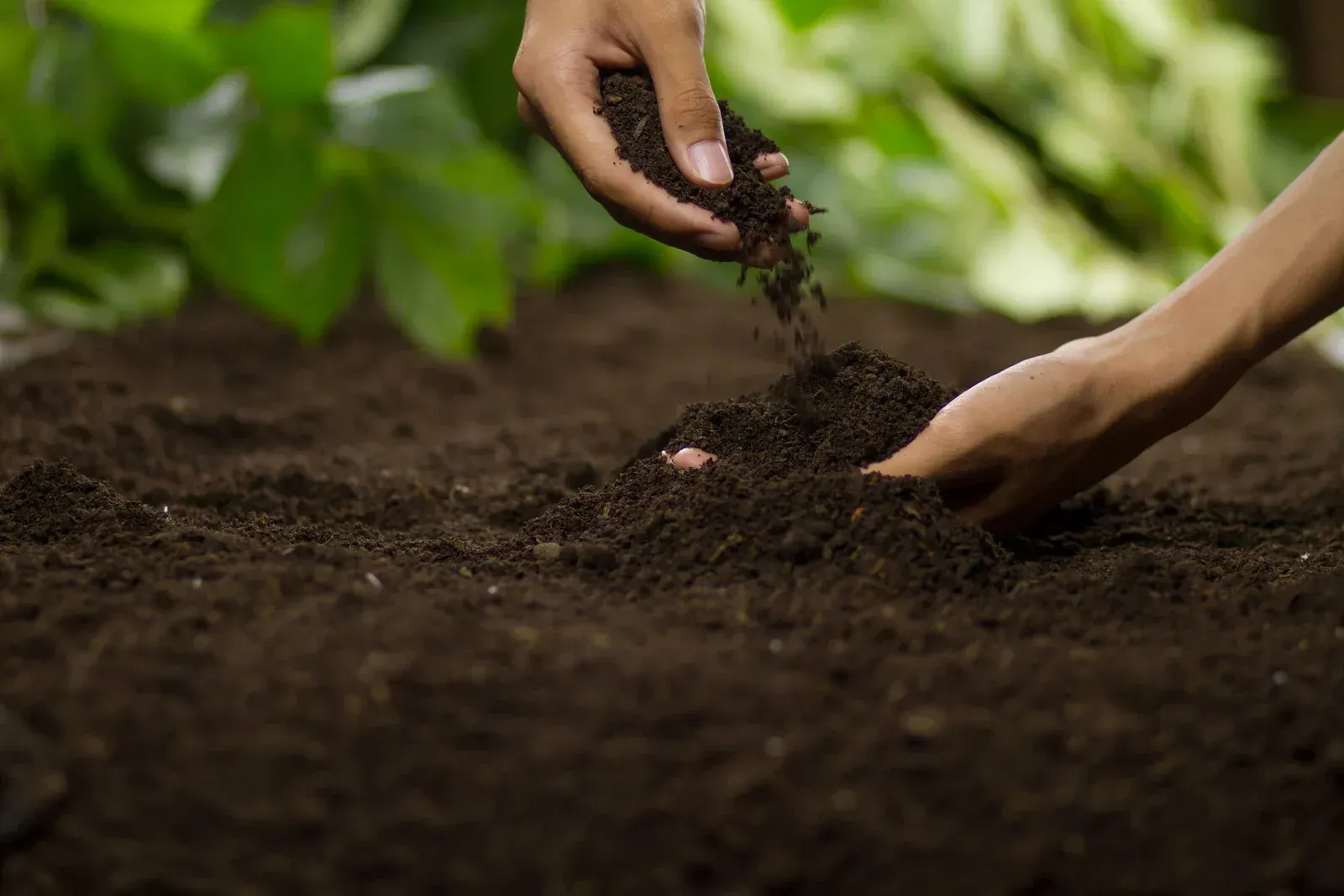
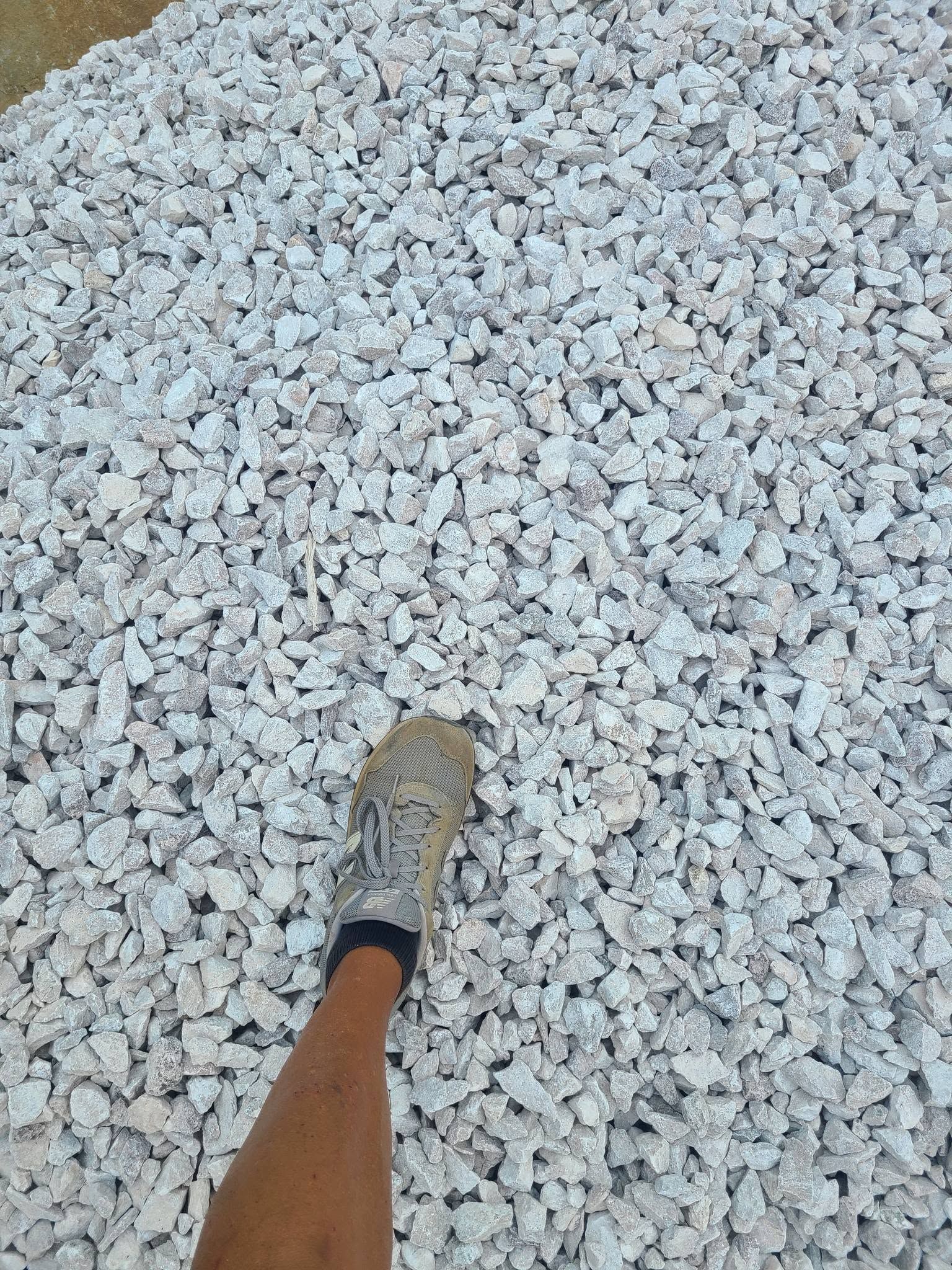
A spring refresh often calls for more than mulch. Premium soil for a new bed, natural compost to work into tired clay, or stone for a drainage area can ride along on the same delivery, with each material kept separate.
How Local Conditions Affect Your Choice
East Tennessee soil and weather put extra demands on mulch, and those demands tend to favor fuller coverage.
Clay Soil Needs Organic Matter
Much of Blount County sits on heavy clay that compacts easily and drains slowly. Wood mulches break down over time and add organic matter to the soil underneath. Beds that stay fully covered year after year gradually become easier to plant and hold water better.
Summer Heat Dries Out Bare Ground
July highs in Maryville average in the upper 80s. Uncovered soil in full sun bakes into a crust that sheds rainwater instead of absorbing it. A complete layer of mulch shades the surface and slows evaporation. Stretching a few bags too thin to "make them last" leaves gaps where soil dries out and weeds take hold.
Heavy Rain Moves Loose Material
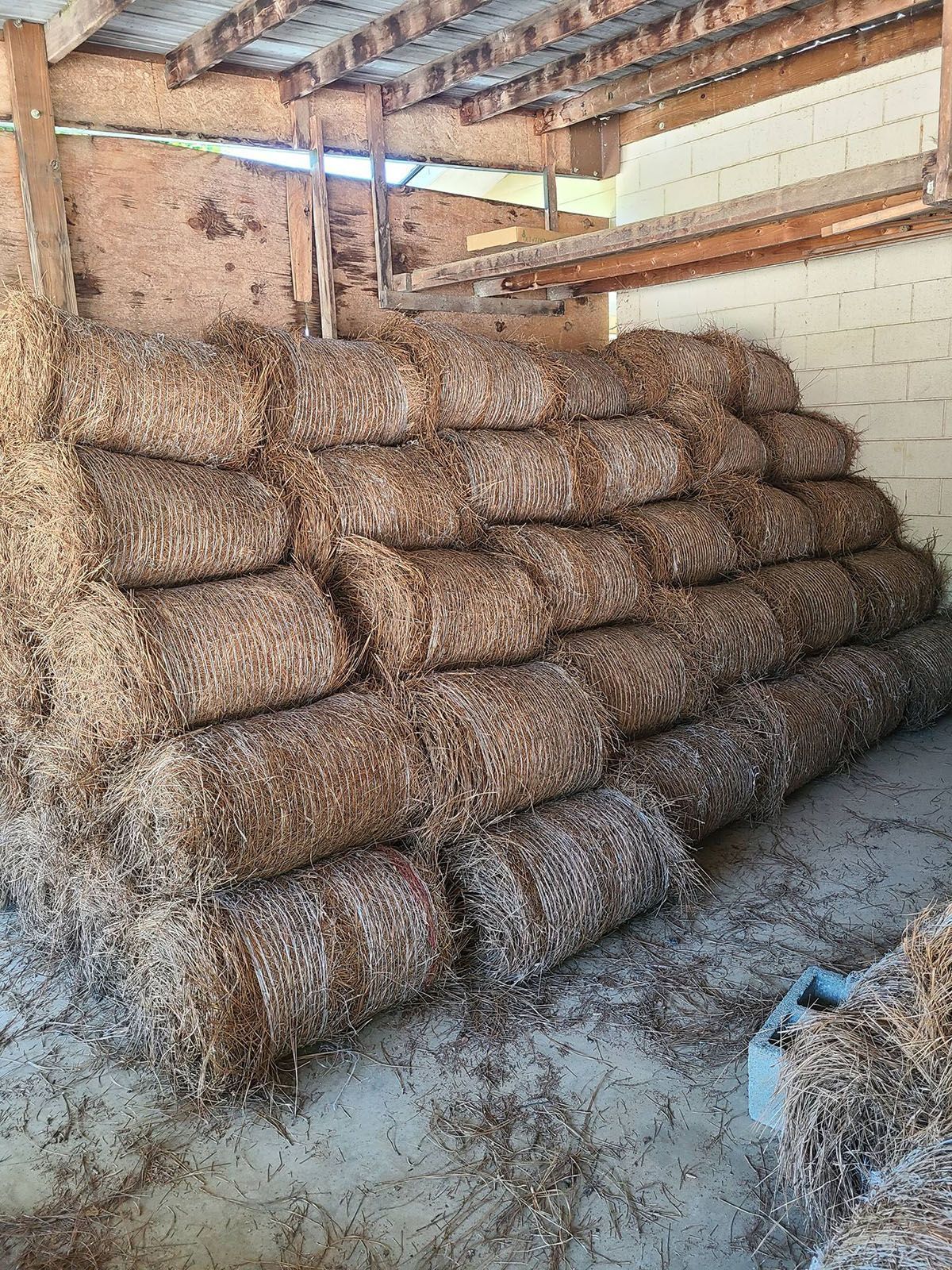
With roughly 50 inches of rain a year, sloped beds need a mulch that stays put. Standard Grind Mulch knits together into a mat that resists washing out. Pine straw is another strong option for slopes, since the long needles interlock and cling to the grade.
Choosing the Right Bulk Mulch Type
Once you decide on bulk, the next step is choosing a product that suits the space.
Carbon Black Mulch gives beds a deep, dark backdrop that makes flowers and bright foliage stand out. Sun softens the color over the season, so many homeowners add a thin top layer each spring.
Premium Bark Mulch settles into a warm brown tone that pairs well with brick, stone, and traditional plantings around porches and entries.
Standard Grind Mulch is the everyday workhorse for large beds, tree rings, and woodland borders. Customers regularly tell us it outperforms the bagged store brands they tried first.
Playground Mulch is made for swing sets and play areas, where a thicker cushioning layer is needed.
Stone ground cover works for beds that need permanent coverage. It never breaks down, though it also adds no organic matter to the soil.
Tips for Receiving and Spreading a Bulk Order
Pick The Drop Spot Ahead Of Time
Choose a location near your beds but away from vehicles, gates, and sprinkler heads. Placing a tarp underneath makes cleanup easier afterward.
Keep Mulch Off Trunks And Siding
Pull mulch several inches away from tree trunks, shrub stems, and foundation walls. This keeps bark dry and allows better airflow around vulnerable areas.
Loosen Old Mulch First
If last year's mulch has formed a crust, rake and loosen it before adding fresh material. This helps water penetrate instead of running across the surface.
Spread Within A Few Days
A delivered mulch pile is easiest to handle while loose and fresh. Schedule delivery before a weekend when you have enough time to spread everything properly
Frequently Asked Questions
How many bags of mulch equal one cubic yard?
One cubic yard holds 27 cubic feet. Using standard 2 cubic foot bags, that works out to 13.5 bags. If your project needs three cubic yards, you would need about 40 bags to cover the same area as three scoops of bulk mulch.
Is bulk mulch lower quality than bagged mulch?
Not necessarily. Bulk mulch often comes from the same kinds of wood as bagged products, and many customers find it performs better. Quality depends on the supplier, how the mulch is processed, and how it is stored before it reaches your yard.
Can I get bulk mulch if I only have a small yard?
Yes. A single scoop covers approximately 120 square feet at about 3 inches deep, which suits many small front yards. Measure your beds first, then compare the total to the coverage of one scoop to see if bulk fits the job.
What should I do with leftover bulk mulch?
Extra mulch can top off tree rings, fill bare spots along walkways, or cover a vegetable garden path. Keeping a small reserve pile covered with a tarp also gives you material for summer touch-ups after heavy storms wash some away.
Does bagged mulch last longer than bulk mulch?
Both break down at a similar rate once spread, since wood decays based on moisture, sun, and soil contact. Stored mulch is a different story. Bags sealed wet can begin breaking down before you open them, while a bulk pile is spread soon after delivery.
When is the best time to order mulch in Tennessee?
Mid to late spring, after the soil warms up, is the main window. A fall top-off after the leaves drop also helps insulate roots through winter. Ordering bulk ahead of the busy spring weeks makes scheduling a delivery easier.
Choosing the Right Mulch for Every Bed
The choice between bulk and bagged mulch really comes down to scale. A few bags handle a container planting or a quick patch by the mailbox, but a full spring refresh across several beds calls for material that arrives in one load, matches from bed to bed, and leaves no pile of plastic behind. Measuring the beds and running the numbers first, before heading to the store, lets the square footage point you toward the option that truly fits the job.
In Maryville, TN, Out of Eden Bulk Landscape Material
has spent more than 25
years helping homeowners match mulch, soil, and stone to the size and style of their landscapes. East Tennessee clay, summer heat, and heavy rain all ask a lot of a garden bed, and full, even coverage is what helps it hold up season after season. When the material fits the project, spring work goes faster and the beds stay fresh and full well into fall.